Overview
CicerOn was my first virtual reality project. I was awarded a scholarship to take part in this research at U-tad, where I joined a multidisciplinary team working across art, development, education, and research.
Together, we developed CicerOn into a finished VR serious game designed to help users practice public speaking in a structured virtual environment.
My contribution
I worked on CicerOn as Art Supervisor and 3D Artist, combining visual supervision with hands-on 3D production.
My contribution covered both the visual direction of the project and the practical creation of 3D artwork. This meant helping maintain a consistent visual language while also working directly on the environments and assets used in the VR experience.
See the project
Project context
CicerOn was designed as a structured space where people could practice speaking in front of others through virtual reality.
The project was developed through U-tad’s Accessible Technologies Research Chair with Indra and Fundación Universia, with a focus on users with Asperger’s syndrome, within the autism spectrum.
We built the experience around exploration, riddles, and reading aloud. Across six levels, players encountered different speaking situations, progressing from an empty room to audiences with different behaviors.
Each level ended with a final clue to read from a speaking area. The experience also included a relaxation room and speech-recognition feedback.
Development process
- Visual direction Establish the stylized approach, reviewed with intended users and psychologists.
- Environment production Build the architecture, layouts, props, and speaking environments.
- Asset preparation Keep geometry and materials lightweight for real-time VR.
- Iteration Refine the experience with development, research, and user feedback.
Designing the visual experience
The visual approach was stylized and designed for an adult audience. We used restrained colors and uncluttered environments, with sketches and models reviewed by intended users and psychologists.
The exploration narrative drew on Egyptian mythology, while predictable routines and clear transitions helped give structure to the experience.
As Art Supervisor and 3D Artist, my work sat between visual direction, 3D production, VR readability, and the requirements of the research team.
Building the speaking environments
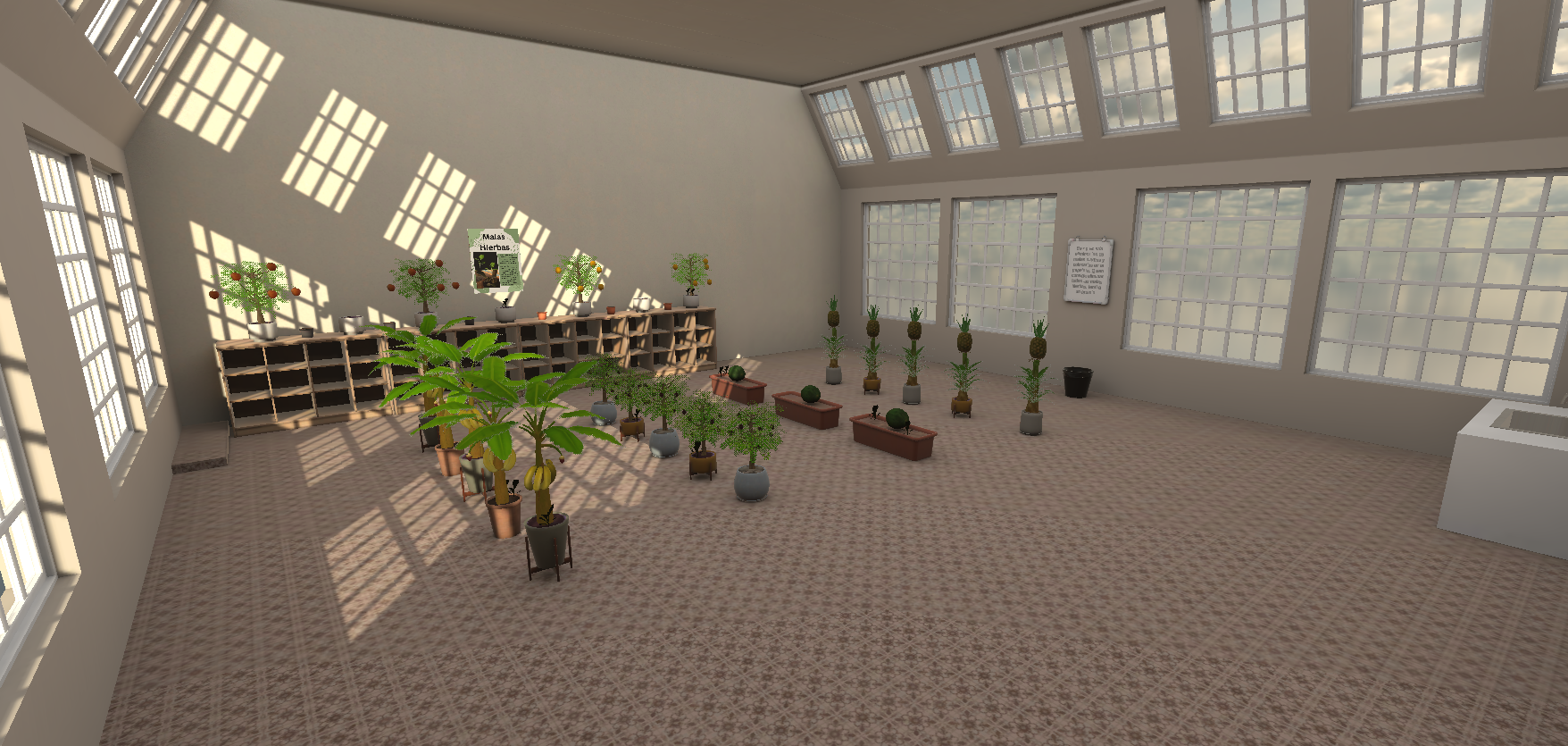
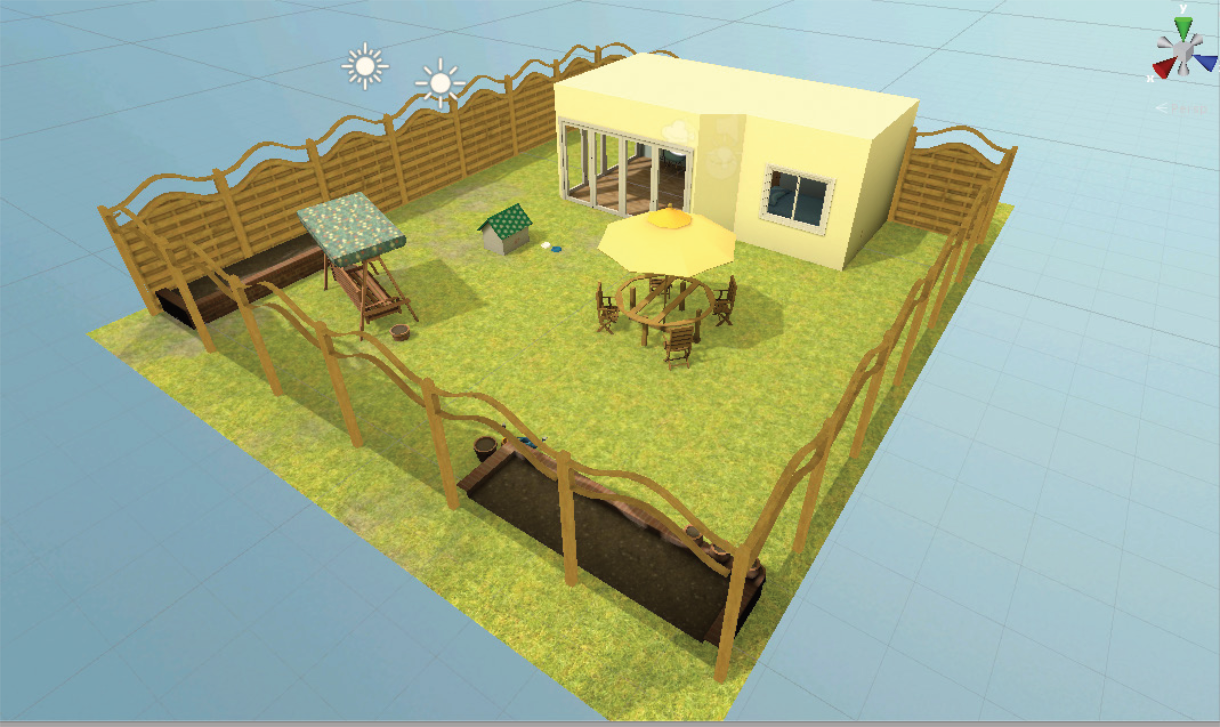
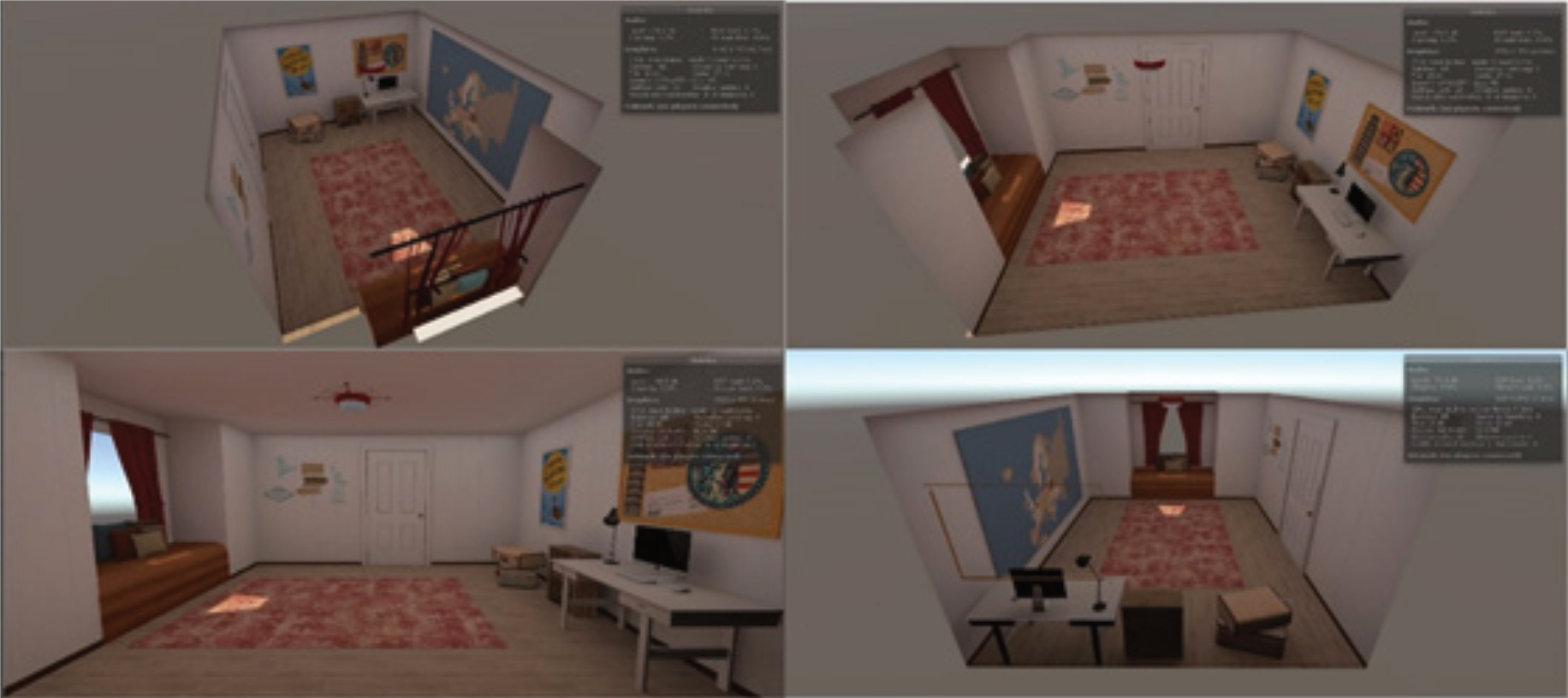
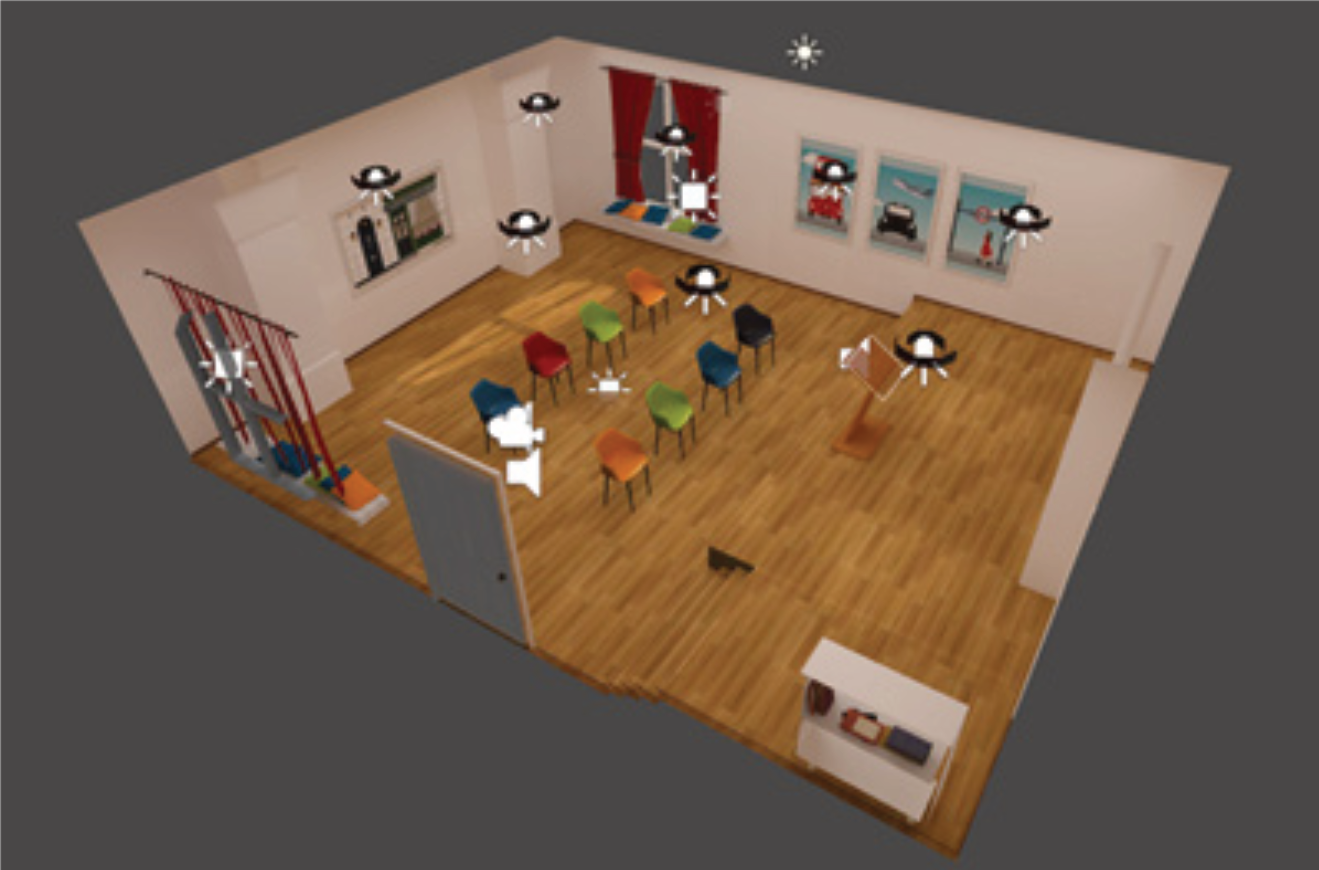
The experience required different spaces where users could gradually become accustomed to speaking in front of others. The environments needed to support different audience configurations while remaining readable, comfortable, and visually consistent in VR.
Layout, scale, lighting, and the placement of furniture and audience elements all contributed to how each speaking situation was perceived.
Developing the hall environment
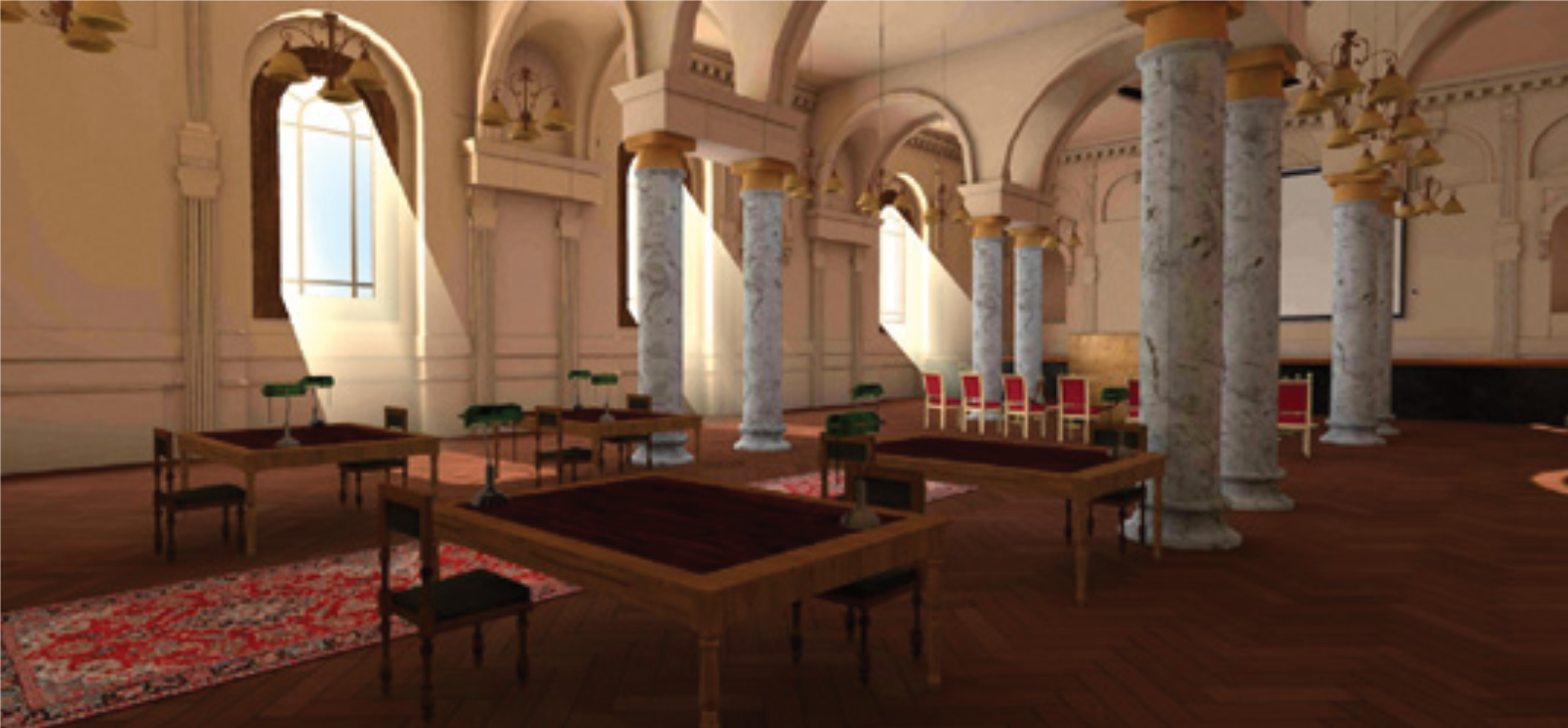
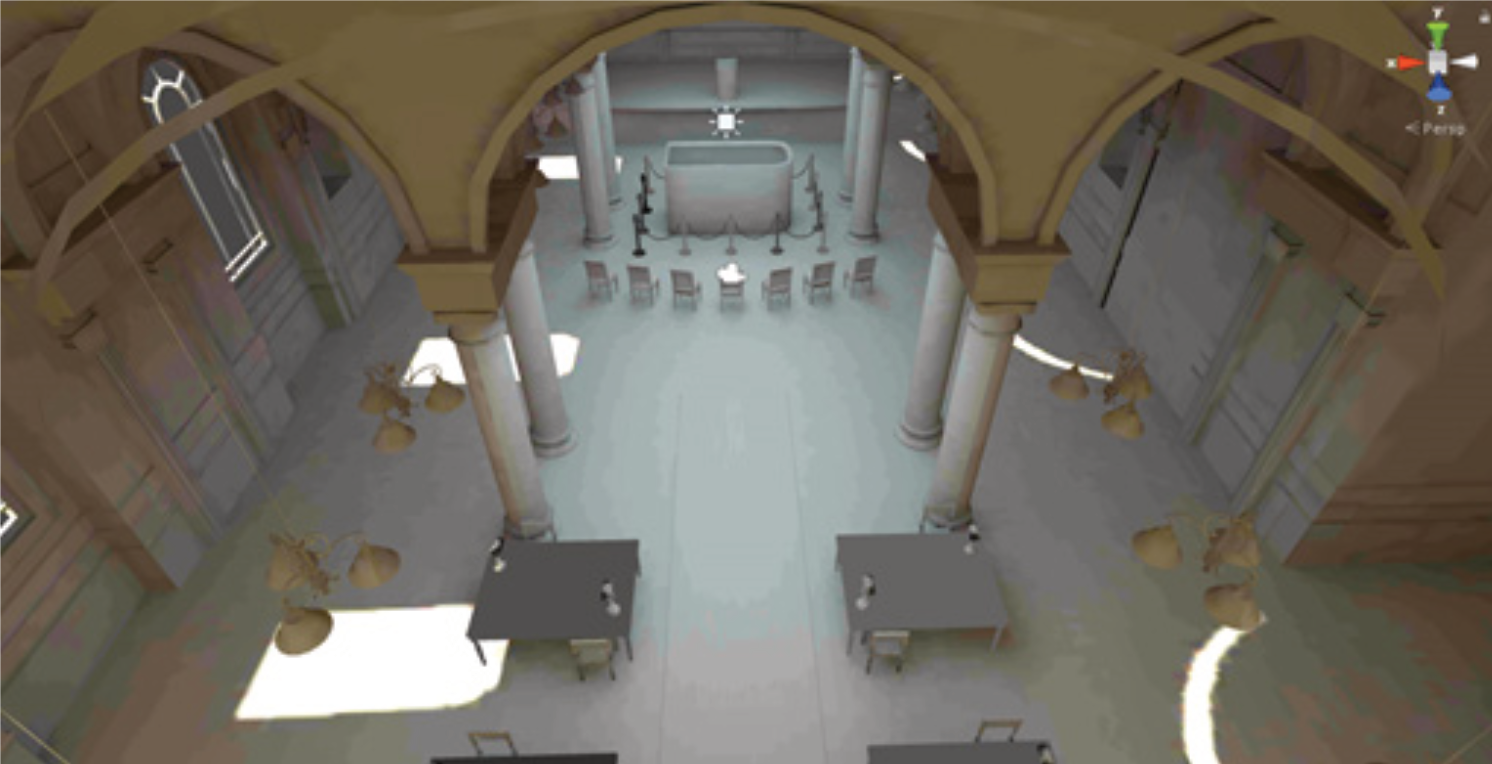
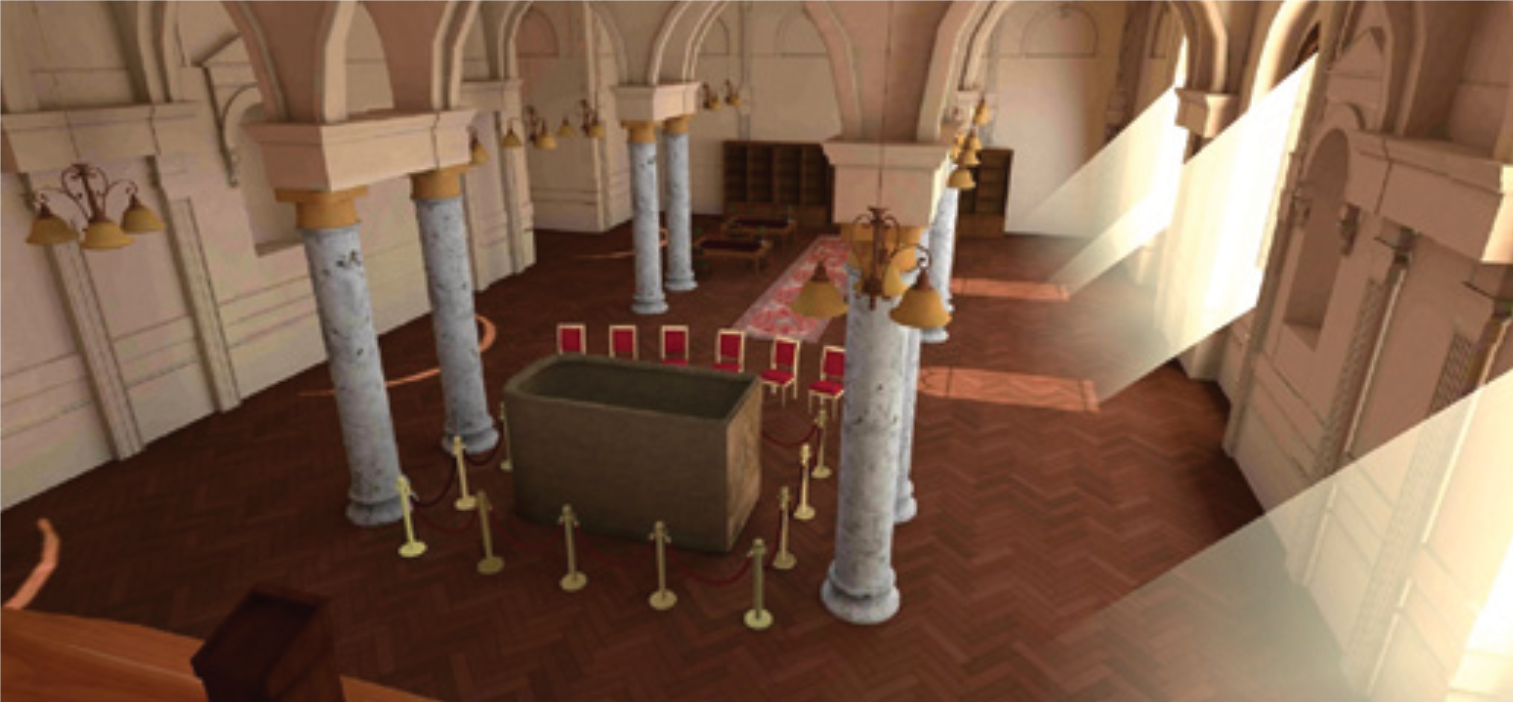
One of the larger environments was designed around a more formal speaking space. I worked on the architectural environment, scene composition, materials, lighting, and set dressing as the space developed from an early implementation into a finished scene.
Showing the environment at different stages also reflects the iterative nature of the art process: establishing the architecture and layout first, then refining materials, lighting, props, and the overall presentation.
Asset production
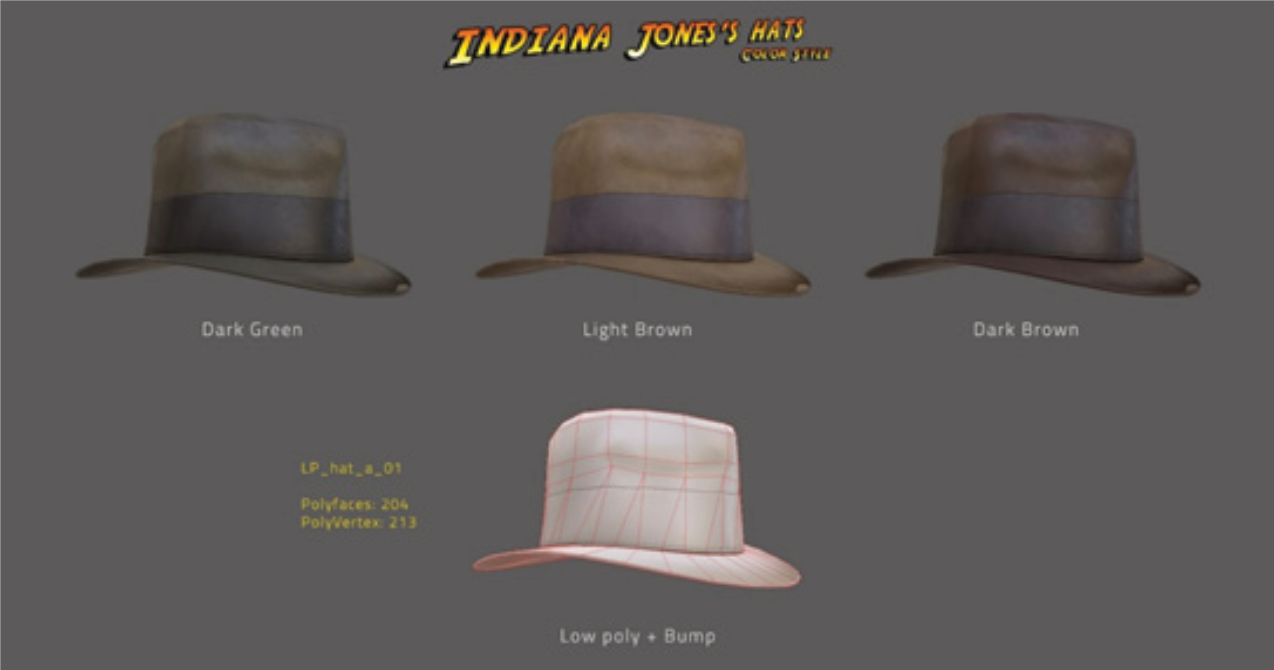
Alongside the environment work, I also created and prepared individual 3D assets for the experience. Because CicerOn was developed for VR hardware with limited performance, the artwork needed to remain visually readable while keeping geometry and materials lightweight.
This meant considering topology, material variations, and how efficiently individual objects could be used inside the real-time environments.
Tools and interaction
We developed the research version in Unity 2017, with Maya 2017 for modeling and animation and Wit.ai for speech recognition.
The project used a reusable quest system to coordinate progression through the experience. My contribution remained focused on the art side of this shared production, working alongside the development team as the interaction systems evolved.
The early version was tested on Samsung Gear VR with a controller for navigation and interaction. During development, we moved away from voice-only object interactions after user feedback showed that they made the experience less engaging.
The later 2020 announcement included Oculus Quest support.
Working with a multidisciplinary team
I was part of a team led by Laura Raya, with José Jesús García Rueda working on immersive education and Jesús Mayor supervising development.
The wider team included Diego Rojo, Fátima Escalante, Damian García, Javier Rojo, Jaime López, Raul Boldu, Andrea García, Gregorio Iniesta, and Eugenio Salguero.
PAUTA and Asperger Madrid also contributed feedback on versions of the application. That collaboration helped us refine the experience around its intended users and showed me how art, technology, and research could work together inside a VR production.
Results and reflections
CicerOn began as a university-based research project and developed into a finished application intended primarily for associations, with specialists assessing its suitability and supervising its use.
For me, the project was also an introduction to designing and producing real-time 3D content specifically for VR. It showed me how visual decisions, interaction, performance, and user requirements all needed to work together inside an immersive experience.
- 2016: U-tad, Indra, and Fundación Universia established the research chair behind the project.
- 2019: Diego Rojo, Jesús Mayor, José Jesús García Rueda, and Laura Raya published a paper describing CicerOn in IEEE Computer Graphics and Applications.
- September 2020: the partner organizations announced the application with Oculus Quest support.
More about CicerOn
You can find more information about the project, its team, and the research behind it here:
- U-tad — CIGNVS Lab and project credits.
- Fundación Universia — project overview.
- A Virtual Reality Training Application for Adults With Asperger’s Syndrome — IEEE Computer Graphics and Applications, 39(2), 104–111; DOI.
- September 2020 announcement from Indra.
- Earlier CicerOn demonstration.