Building a controlled VR exposure experience
Lancelot was another research project I worked on at U-tad, exploring how virtual reality could be used beyond entertainment or training.
The project was designed as a tool to complement gradual exposure therapy for people with autism experiencing phobias, with an initial focus on the fear of dogs. By combining an immersive VR environment with biofeedback, the experience could be adapted according to the user's physical response during a session.
My role: Art Supervisor and 3D Generalist
I worked on Lancelot as Art Supervisor and 3D Generalist, combining visual supervision with hands-on 3D production.
My role involved helping define and maintain the visual direction of the project while also contributing directly to the creation of the 3D assets and environments used in the experience. This meant moving between supervision and production, keeping the visual language consistent while working directly on the content that shaped the VR experience.
See the project
What Lancelot was building
The idea behind Lancelot was to create a controlled virtual environment in which a specialist could gradually introduce situations related to a user's phobia.
Rather than exposing someone immediately to a difficult situation, VR made it possible to control what the user encountered and progressively change the experience. For the initial application, the project focused on cynophobia — the fear of dogs.
Designing for controlled exposure
The visual design had a different purpose from a traditional game environment. The experience needed to introduce stimuli progressively while keeping the surrounding world understandable and controlled.
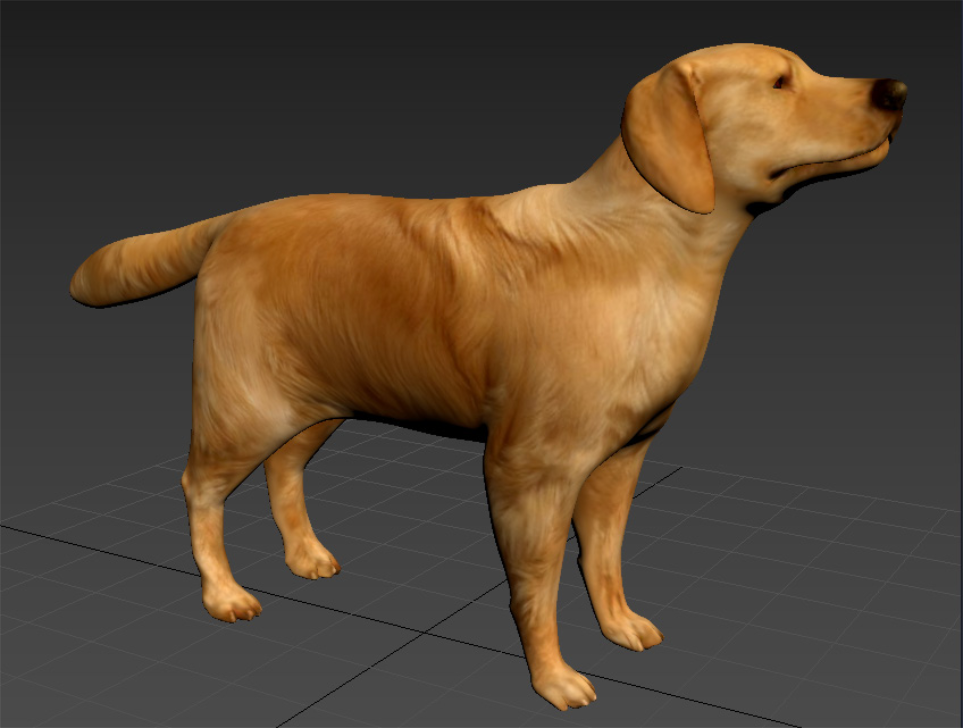
The environment, characters, animation, scale, distance, and placement of the dog could all influence how the user perceived a situation. Because of that, visual decisions were part of how the experience functioned, not simply how it looked.
As Art Supervisor and 3D Generalist, my work sat between visual design, 3D production, VR interaction, and the objectives of the research team.
Environment and 3D artwork
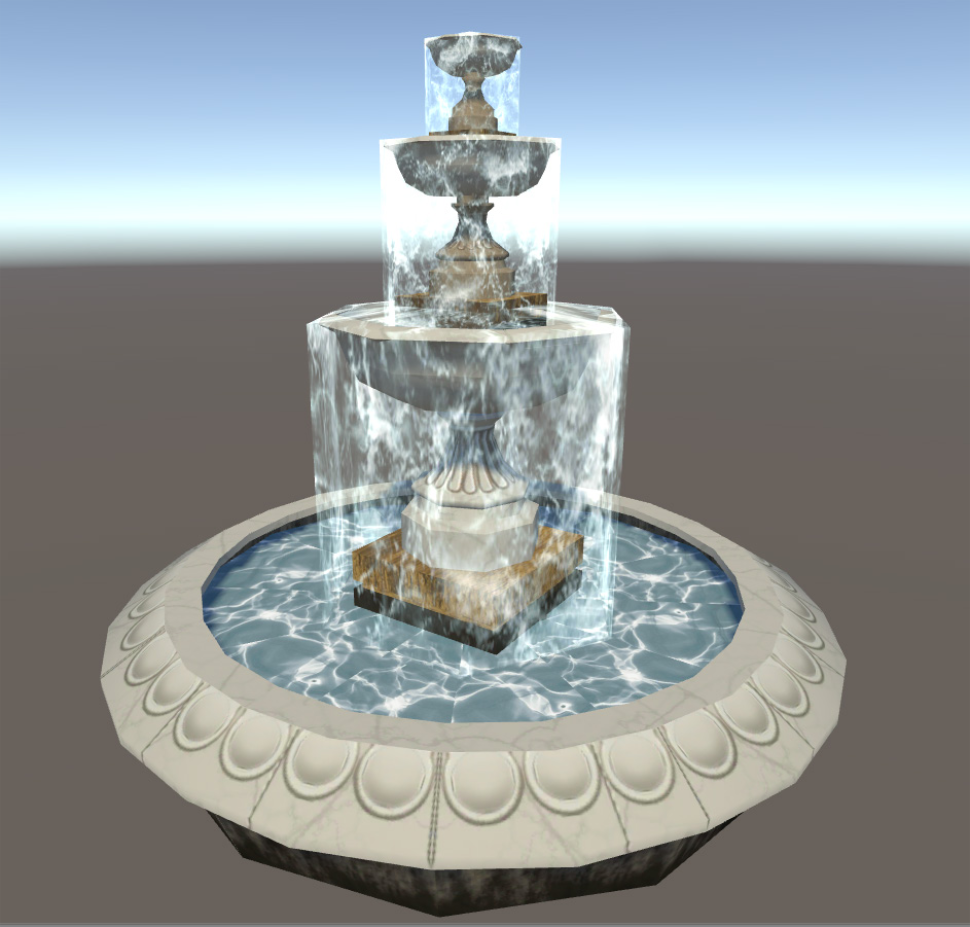
Alongside the visual supervision work, I contributed directly to the 3D production of the environments and assets used in Lancelot.
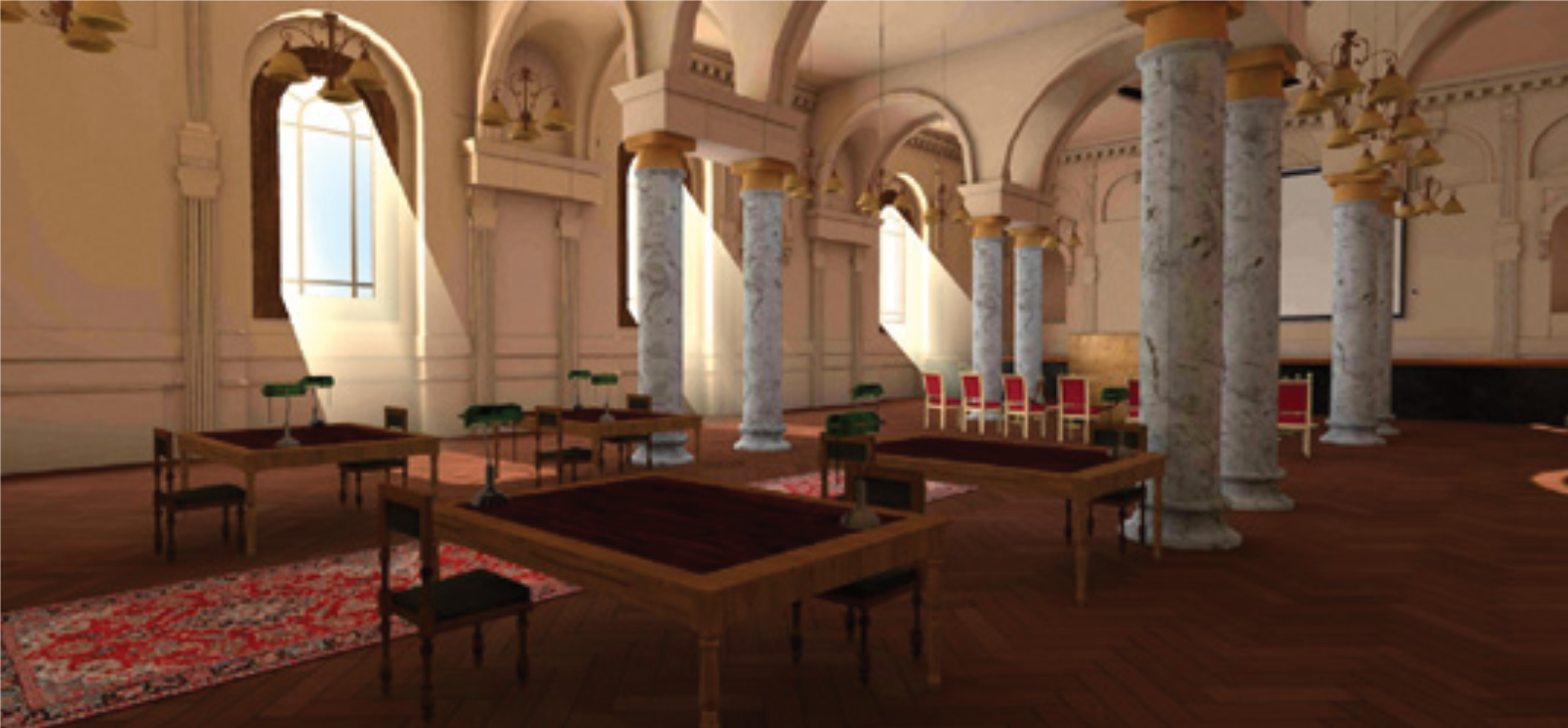
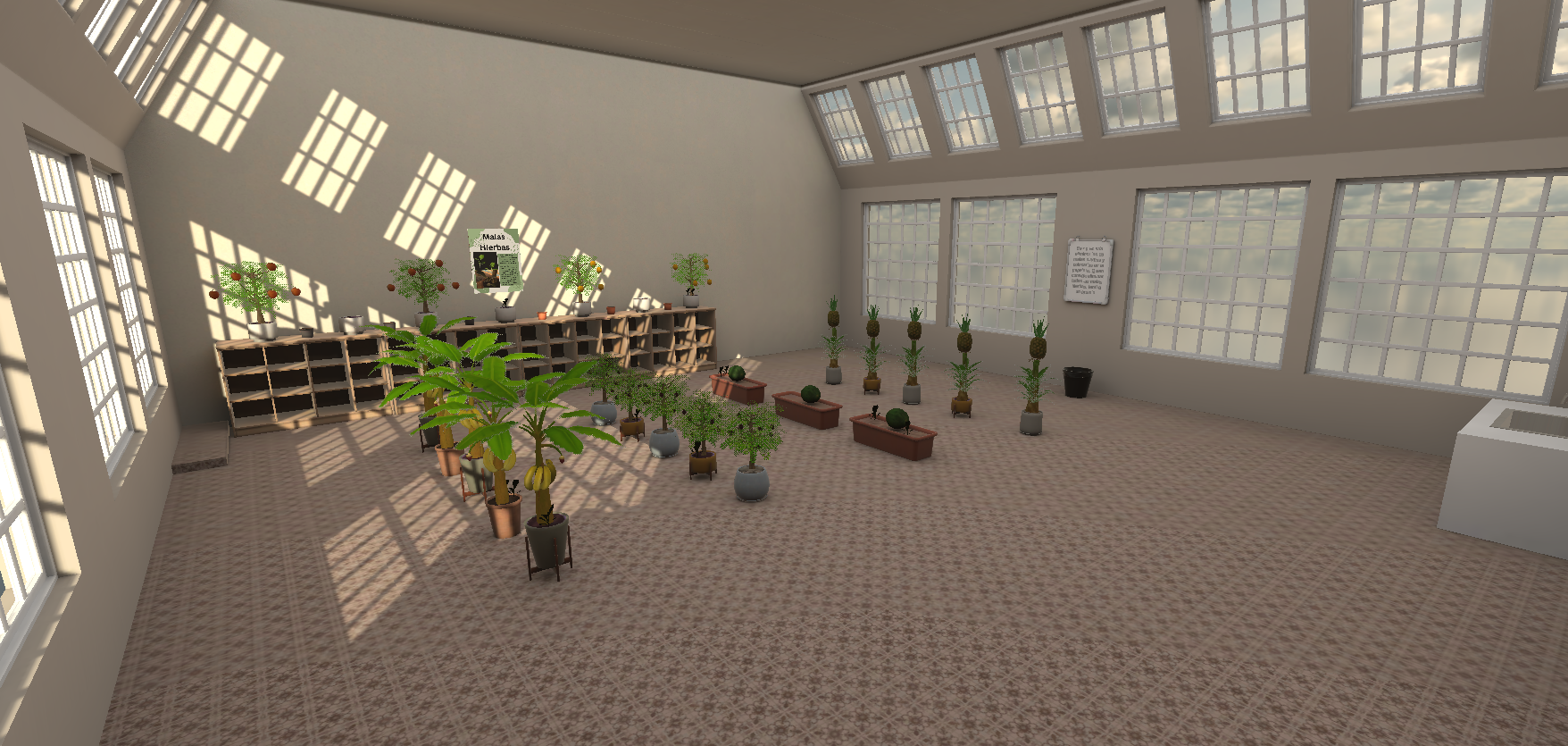
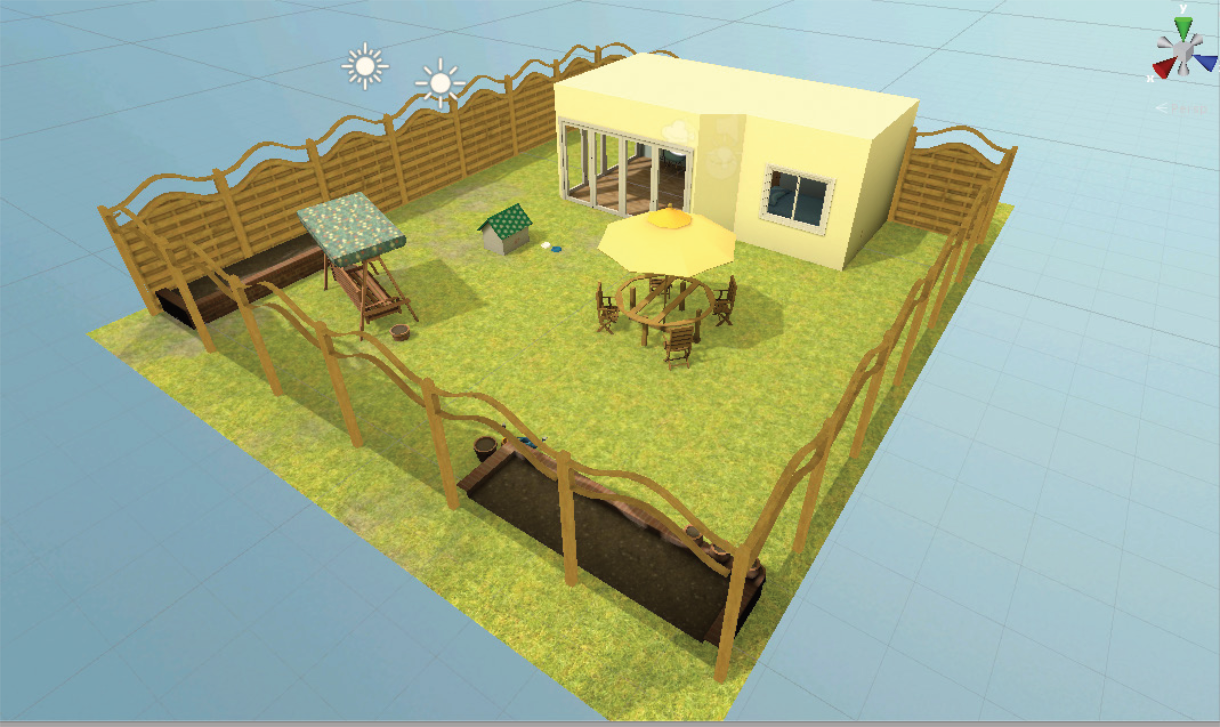
The environments needed to support controlled exposure while remaining visually coherent and readable inside VR. The dog models and surrounding spaces were part of the same system, with their appearance, scale, and placement contributing to how each situation was presented to the user.
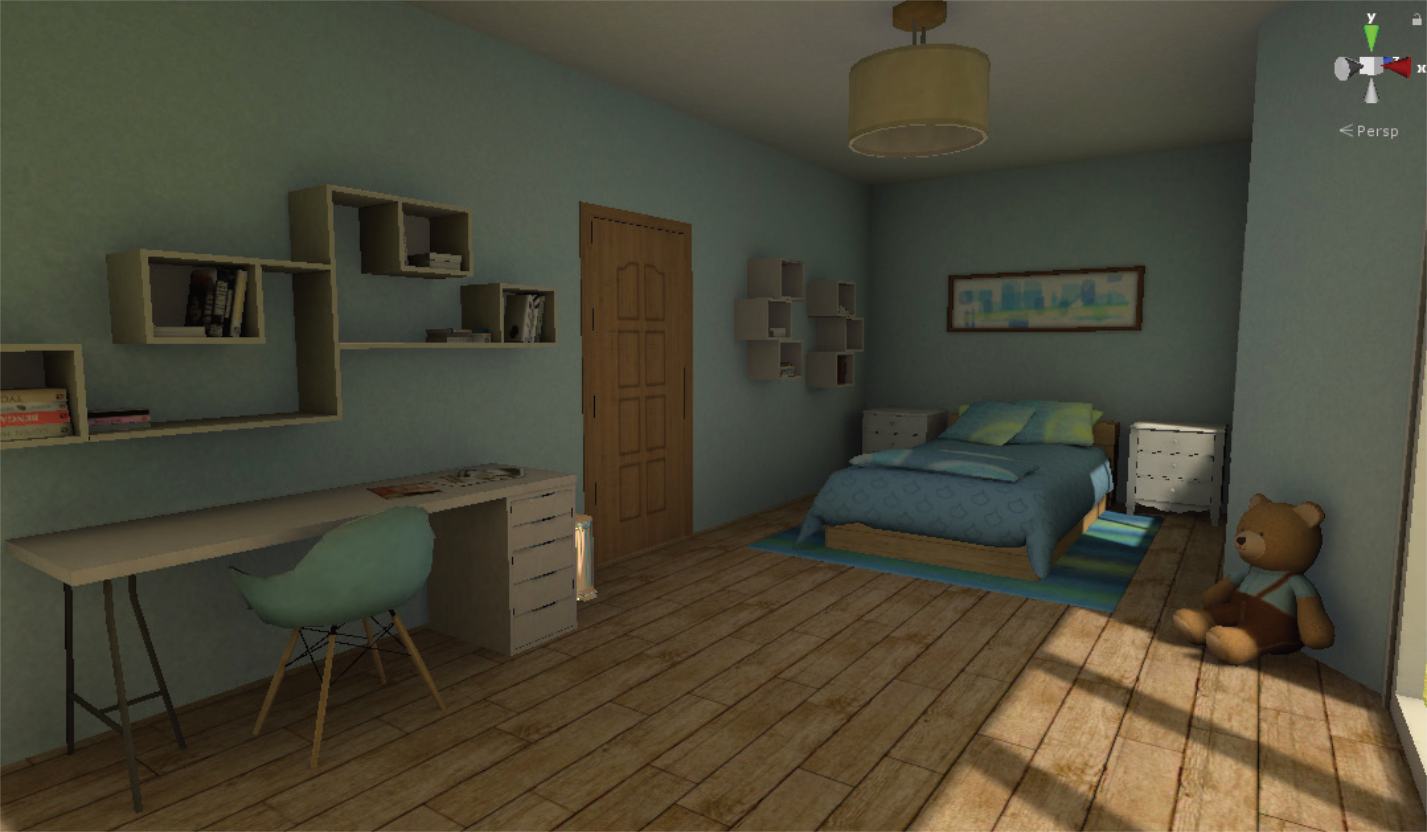
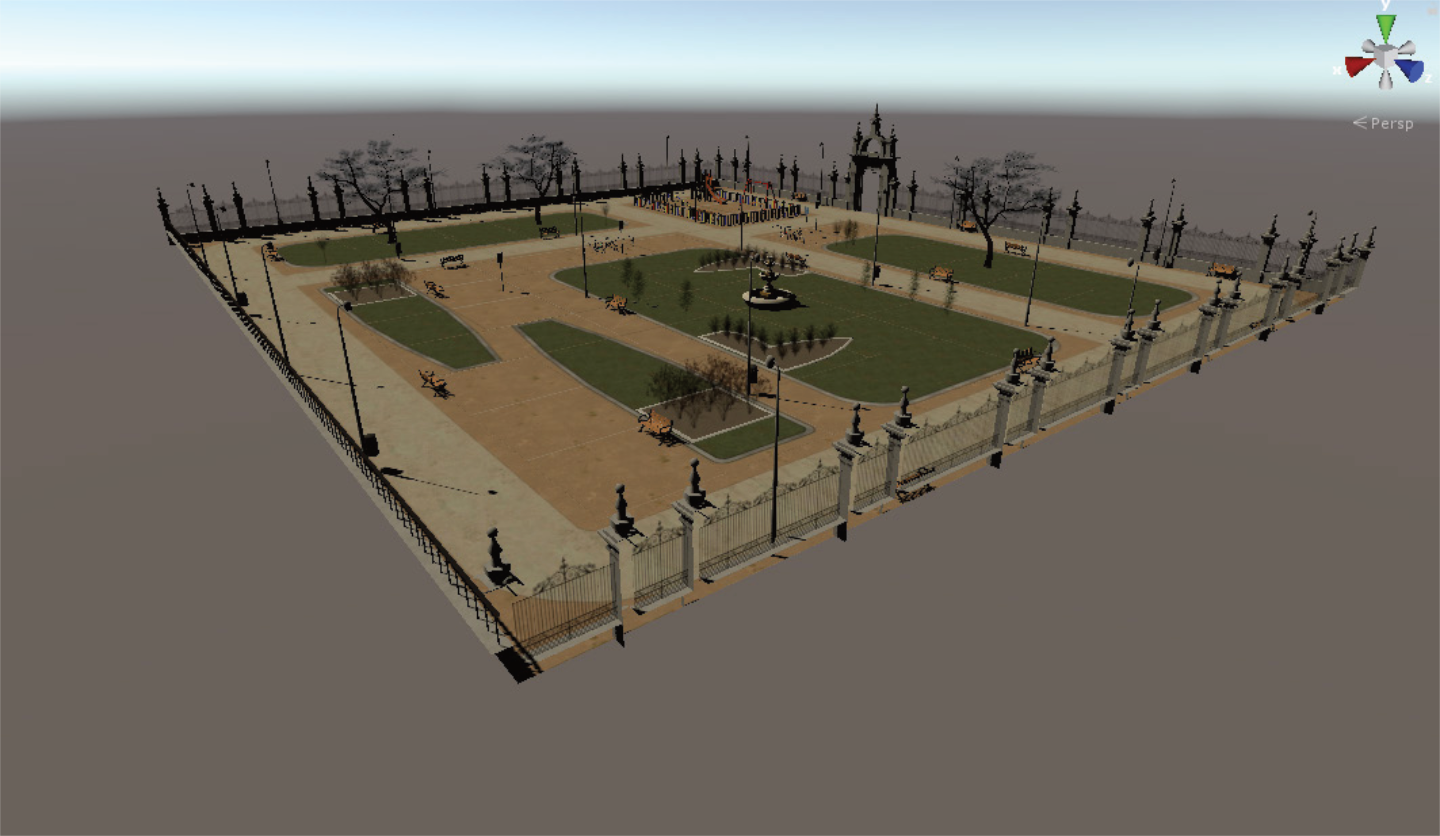
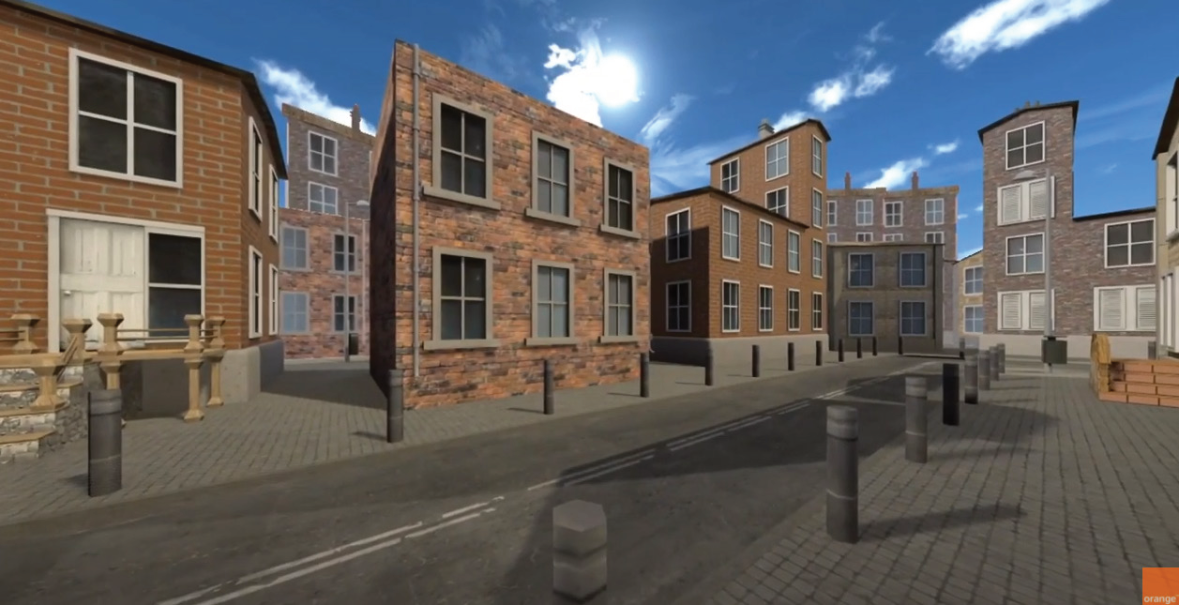
Environment studies for the VR experience.
Connecting the virtual world to the user
One of the most interesting aspects of Lancelot was the use of biofeedback. Biometric information from the user could be incorporated into the experience so that their physical response helped inform how the session progressed.
The specialist could monitor the user while controlling what happened inside the virtual environment, creating a relationship between the user → their biometric response → the virtual environment.
For me, this was an interesting example of how a VR environment could become a responsive system rather than a fixed experience.
Working with a multidisciplinary team
Lancelot was directed by Laura Raya, with José Jesús García Rueda as Project Co-Director and Jesús Mayor supervising development.
I worked as Art Supervisor and 3D Generalist alongside Miguel Gazón, Antonio Diaz, Nadia Parra, and Ellis Joel Rivera, bringing together development, animation, art, immersive technology, and research.
The project was developed by U-tad with the involvement of Asociación PAUTA and support from Fundación Orange. Working within this kind of team reinforced something I had already experienced with CicerOn: creating VR for research requires art and technology to respond to requirements that go beyond traditional game development.
From VR experience to research tool
What made Lancelot particularly interesting to me was that the virtual environment was not the final objective. It was a tool.
The project explored how immersion, controlled exposure, biometric information, and specialist supervision could work together to create an experience that responded to the person using it.
That experience expanded the way I thought about real-time 3D environments and reinforced the idea that visual design can play a functional role in experiences built for purposes beyond entertainment.
More about Lancelot
You can find more information about the project and the research behind it here: